


Navigating the world of marketing can feel like trying to find your way through a maze without a map. With so many options available, from social media and email campaigns to SEO and content marketing, how do you choose the right path for your business? The answer isn’t a one-size-fits-all solution. The best digital digital digital digital digital digital digital marketing strategy depends on your business’s size, budget, and specific goals.
This guide is designed to help small and midsize business owners identify the most effective marketing strategies for their unique situations. We’ll explore how to tailor your approach based on your resources and objectives, providing a clear roadmap to help you invest your marketing dollars wisely. By the end of this post, you’ll have the knowledge to build a marketing plan that drives real growth, increases visibility, and delivers a strong return on investment (ROI).
Understanding Your Business Before You Begin
Before you can choose the right marketing strategy, you need a clear understanding of your own business. This foundational step involves looking inward at your company’s identity, resources, and position in the market. Answering these questions will provide the clarity needed to make informed decisions and build a strategy that aligns with your vision.
Define Your Goals and KPIs
What do you want your marketing to achieve? Vague goals like “increase sales” aren’t specific enough. Instead, use the SMART (Specific, Measurable, Achievable, Relevant, Time-bound) framework.
- Specific: Instead of “more website traffic,” aim for “increase organic website traffic by 20%.”
- Measurable: Define your Key Performance Indicators (KPIs). These could be conversion rates, customer acquisition cost (CAC), or lead generation numbers.
- Achievable: Set realistic goals. If you’re just starting, aiming to outperform a global brand in your first quarter is probably not feasible.
- Relevant: Ensure your marketing goals support your broader business objectives. If your company wants to expand into a new region, your marketing should focus on building brand awareness there.
- Time-bound: Assign a deadline, such as “achieve a 20% increase in organic traffic within six months.”
Know Your Budget
Your marketing budget is a critical factor that will shape your strategy. Be realistic about what you can afford to spend. A common approach for small businesses is to allocate a percentage of their revenue to marketing. The U.S. Small Business Administration suggests that businesses with revenues under $5 million should aim to spend 7-8% of their gross revenue on marketing.
Your budget isn’t just about ad spend. It should also cover costs for tools, software, content creation, and potentially hiring freelancers or agencies. Breaking down your budget helps you see where your money is going and what kind of ROI you can expect.
Identify Your Target Audience
You can’t effectively market to everyone. Trying to do so dilutes your message and wastes your budget. Instead, create detailed buyer personas for your ideal customers. A buyer persona is a semi-fictional representation of your ideal customer based on market research and real data about your existing customers.
Consider the following:
- Demographics: Age, gender, location, income level, education.
- Psychographics: Values, interests, lifestyle, pain points, and motivations.
- Behavior: How do they shop? Where do they get their information? What social media platforms do they use?
Understanding your audience allows you to tailor your messaging and choose channels where they are most active, ensuring your marketing efforts resonate and convert.

The Four Channels That Matter Most
A successful digital marketing strategy is like a well-built machine with four essential, interlocking parts: Search Engine Optimization (SEO), Paid Advertising, Content Marketing, and Video Marketing. When these components work together, they create a powerful engine for growth. Let’s look at what each one does and why it’s crucial for your small business.
1. Search Engine Optimization (SEO): The Foundation of Visibility
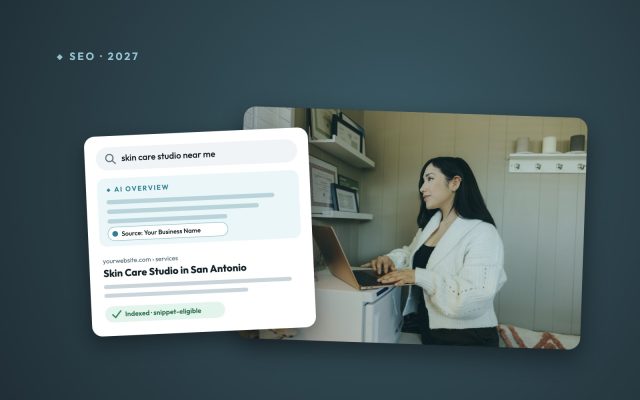
SEO is the process of optimizing your online presence to rank higher in search engine results, like those on Google. When potential customers search for products or services you offer, you want your business to appear on the first page. A high ranking drives organic (unpaid) traffic to your website, building credibility and brand awareness without a constant ad spend.
For small businesses, local SEO is particularly important. This focuses on making you visible to customers in your geographic area. Think of searches like “best coffee shop near me” or “plumber in [Your Town].” Getting these local searches right can directly lead to more foot traffic and phone calls.
2. Paid Advertising: Fast and Targeted Reach
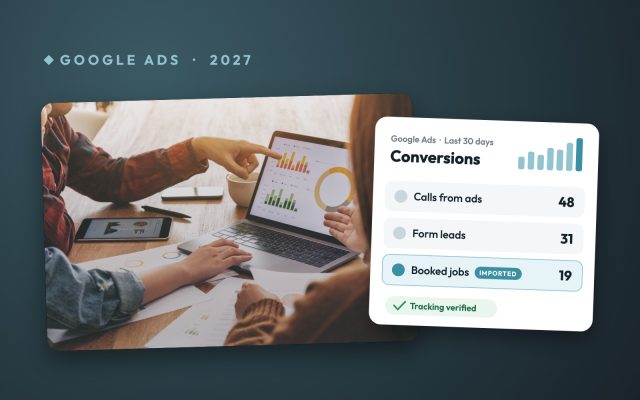
While SEO is a long-term strategy, paid advertising delivers immediate results. Platforms like Google Ads and social media ads (Facebook, Instagram, LinkedIn) allow you to place your business directly in front of a highly specific audience. You can target users based on their location, interests, demographics, and even past online behavior.
This level of precision ensures your marketing budget is spent efficiently, reaching people who are most likely to become customers. Paid ads are perfect for promoting special offers, launching new products, or quickly boosting your visibility during key sales periods.
3. Content Marketing: Building Trust and Authority
Content marketing is about creating and sharing valuable, relevant information to attract and engage your target audience. This isn’t about direct selling; it’s about providing solutions to your customers’ problems and establishing your business as an expert in its field.
This can take many forms, including blog posts, how-to guides, case studies, and infographics. By consistently providing useful content, you build trust with your audience. When they are ready to make a purchase, your business will be the first one they think of. Good content also fuels your SEO efforts by giving search engines more relevant information to rank.
4. Video Marketing: Captivating and Converting
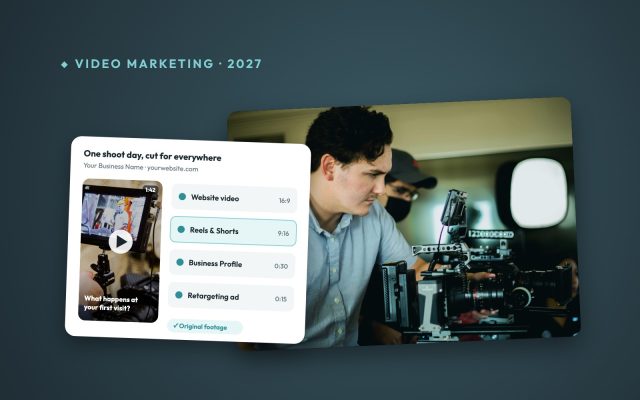
Video has become one of the most powerful tools in digital marketing. It’s highly engaging and can convey a lot of information in a short amount of time. Customers often prefer watching a video to reading a long block of text.
You can use video for product demonstrations, customer testimonials, behind-the-scenes tours of your business, or educational content. Videos are easily shareable on social media, expanding your reach and driving engagement. They can be used in your paid ad campaigns, on your website landing pages, and in your email newsletters, making them an incredibly versatile asset.

Digital Marketing Strategies for Small Businesses & Startups (Lean Budgets)
Small businesses and startups often operate with tight budgets and limited resources. The key here is to focus on high-impact, low-cost strategies that can generate momentum and deliver a strong ROI. The goal is to build a solid foundation you can scale as your business grows.
Content Marketing & SEO
Content marketing is the practice of creating and distributing valuable, relevant, and consistent content to attract and retain a clearly defined audience. For a small business, this is one of the most powerful and cost-effective strategies available.
- Why it works: It builds trust, establishes your brand as an expert, and drives organic traffic through Search Engine Optimization (SEO). Good content provides value to potential customers, answering their questions and solving their problems long before they’re ready to make a purchase.
- How to implement it:
- Start a Blog: Write articles that address your audience’s pain points. Use keyword research tools (like Google Keyword Planner or Ubersuggest) to find topics people are searching for.
- Focus on Local SEO: If you’re a local business, optimize your Google Business Profile. Encourage customer reviews and ensure your name, address, and phone number (NAP) are consistent across all online directories.
- Create Simple How-To Guides or Checklists: These are “linkable assets” that other websites might share, boosting your SEO authority.
Social Media Marketing
Social media offers a direct line to your customers. Instead of trying to be on every platform, focus on the one or two where your target audience is most active.
- Why it works: It allows you to build a community, engage directly with customers, and share your brand’s personality. It’s a great tool for building brand awareness and driving traffic to your website.
- How to implement it:
- Choose the Right Platforms: Are your customers on Facebook, Instagram, LinkedIn, or TikTok? Go where they are.
- Engage, Don’t Just Broadcast: Ask questions, run polls, and respond to comments. Social media is a two-way conversation.
- Use Visuals: High-quality images and short videos perform significantly better than text-only posts. You can use free tools like Canva to create professional-looking graphics.
Email Marketing
Email marketing consistently delivers one of the highest ROIs of any digital marketing channel. Building an email list gives you a direct, personal communication channel with people who have already shown interest in your brand.
- Why it works: Unlike social media, you own your email list. You’re not subject to algorithm changes that can limit your reach. It’s perfect for nurturing leads and encouraging repeat business.
- How to implement it:
- Offer a Lead Magnet: Give people a reason to subscribe. This could be a discount, a free ebook, or an exclusive guide.
- Send a Welcome Series: Automate a series of emails to welcome new subscribers, introduce your brand, and highlight your value.
- Provide Value: Don’t just send promotional emails. Share helpful tips, company news, and exclusive content to keep your subscribers engaged.
Digital Marketing Strategies for Midsize Businesses (Growing Budgets)
As your business grows, so do your resources. Midsize businesses can begin to explore more sophisticated and wider-reaching marketing strategies. The focus shifts from pure survival to scaling growth and capturing a larger market share.
Paid Advertising (PPC & Social Ads)
With a larger budget, you can invest in paid advertising to accelerate your reach. Pay-Per-Click (PPC) ads on search engines like Google and paid social media ads can put your brand in front of a highly targeted audience.
- Why it works: Paid ads deliver immediate results and are highly measurable. You can target users based on demographics, interests, and even their past online behavior, ensuring your ads are seen by the people most likely to convert.
- How to implement it:
- Google Ads: Target users searching for keywords related to your products or services. Start with a small budget to test which keywords and ad copy perform best.
- Facebook & Instagram Ads: Use their powerful targeting options to reach specific audience segments. Retargeting ads (showing ads to people who have already visited your website) can be particularly effective.
- Measure Everything: Track your campaigns closely. Monitor your Cost Per Click (CPC), Conversion Rate, and overall ROI. Adjust your strategy based on the data.
Advanced Content Marketing
Midsize businesses can take their content marketing to the next level. This means creating more in-depth, high-value assets and promoting them strategically.
- Why it works: Advanced content positions your brand as a thought leader in your industry. It helps you capture more qualified leads and builds long-term brand equity.
- How to implement it:
- Create Pillar Pages and Topic Clusters: A pillar page is a comprehensive resource on a broad topic. It links out to more specific “cluster” blog posts. This structure is great for SEO and provides immense value to readers.
- Develop Ebooks and Whitepapers: These long-form content pieces can be gated (requiring an email address to download), making them excellent lead generation tools.
- Host Webinars: Webinars allow you to engage with your audience in real-time, demonstrate your expertise, and generate high-quality leads.
Marketing Automation
As you scale, manual processes become inefficient. Marketing automation software allows you to automate repetitive tasks like email follow-ups, social media posting, and lead nurturing.
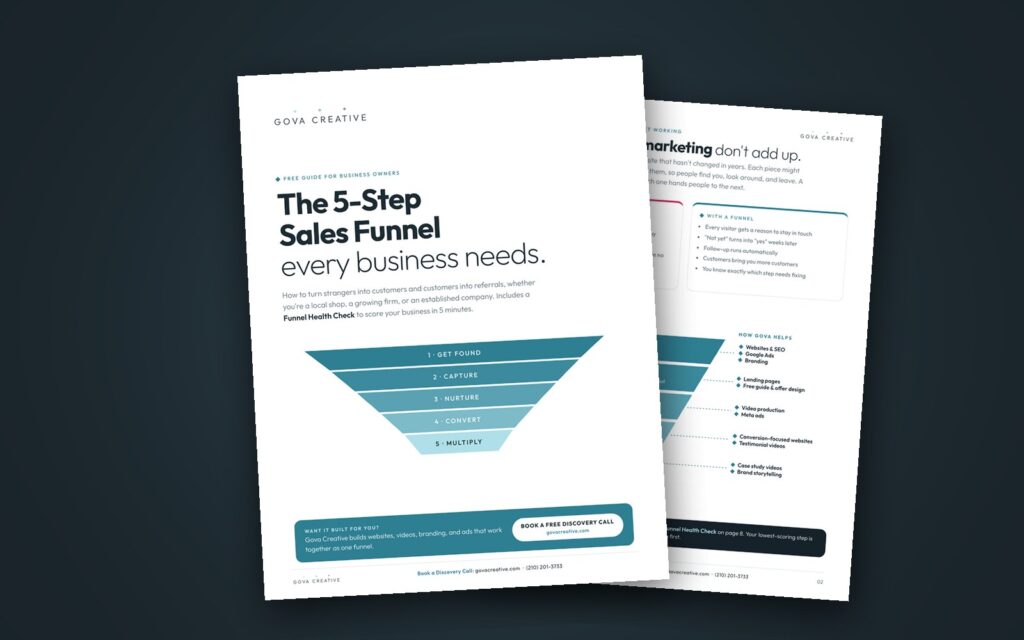
- Why it works: It saves time, improves efficiency, and allows for more personalized communication at scale. You can create complex workflows that nurture leads through the sales funnel without manual intervention.
- How to implement it:
- Choose the Right Platform: Options range from Mailchimp and HubSpot for smaller operations to more advanced platforms like Marketo for larger enterprises.
- Segment Your Audience: Use automation to send targeted messages based on a user’s behavior, demographics, or stage in the buyer’s journey.
- Automate Lead Nurturing: Set up email sequences that automatically send relevant content to leads over time, keeping your brand top-of-mind until they are ready to buy.
Making It All Work Together
The magic happens when these four elements are integrated.
- Your blog content (Content) improves your SEO, helping you rank for more keywords.
- You can promote your best-performing blog posts using paid social media ads (Paid Ads) to reach a wider audience.
- Your paid search ads (Paid Ads) can direct visitors to a landing page that features a powerful customer testimonial video (Video).
- The keywords you discover from your paid ad campaigns (Paid Ads) can inform your next SEO and content marketing (SEO & Content) strategy.
By viewing these components as part of a single, unified strategy, you create a marketing flywheel that continuously attracts, engages, and converts customers for your small business.
Get a Marketing Plan Built Around Your Business
The right marketing strategy is the one that fits your goals, your budget and your customers, and that you can actually keep doing. Trying every channel at once usually means doing none of them well.
At Gova Creative, every client starts with The Gova Growth Plan: book a Discovery Call, we research your market and build your plan, and you get more customers. You get the full scope and price in writing before any work begins. Book a Discovery Call to get started.


Want help putting this to work?
One team for your website, videos, ads and brand, built as one plan. Let’s talk about your goals.
Book a Discovery Call 30 minutes · Real answers · No sales pitch